Critique of SWIFT’s 5-Year Blockchain Del
Published On : December 17, 2025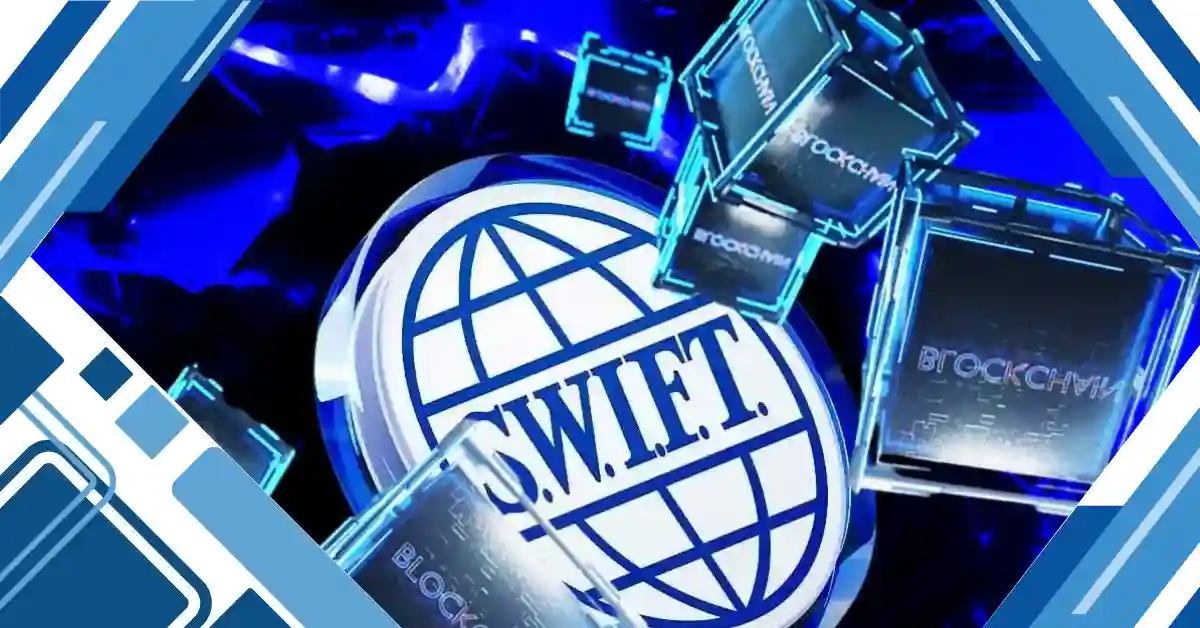
[
In recent industry discussions, a notable software engineer has delivered a stark critique of SWIFT’s prolonged efforts to incorporate blockchain technology into its payment messaging system. Nicknamed ‘Dead Like Kodak’ in tech circles, this engineer argues that SWIFT’s five-year delay in actualizing its blockchain plans is indicative of a broader failure within legacy financial infrastructures to adapt to modern digital standards.
Background: SWIFT’s Ambitious Blockchain Push
SWIFT, the global provider of secure messaging services for financial institutions, announced intentions in 2019 to adopt blockchain technology to enhance the efficiency, transparency, and speed of cross-border payments. The proposed upgrades aimed to develop a shared, real-time transaction ledger, positioning SWIFT as a futuristic player in digital finance. Despite these declarations, progress has been largely stagnant, with industry insiders questioning whether SWIFT’s efforts are more superficial than substantive.
The ‘Dead Like Kodak’ Analogy: Why It Matters
The comparison made by the critic draws a parallel between SWIFT’s slow-moving blockchain initiative and the rapid obsolescence of once-dominant companies such as Kodak and Blockbuster. Kodak’s inability to transition swiftly into digital photography led to its decline, and similarly, critics suggest SWIFT risks becoming irrelevant if it cannot keep pace with more agile blockchain networks.
This analogy underscores concerns that SWIFT’s delayed deployment might render its solutions outdated before they even launch, unable to meet the demands of the modern financial ecosystem where speed, transparency, and low-cost transactions are paramount.
Why the Delay Is Problematic
- Lagging Behind Faster Networks: Blockchain networks like XRP Ledger (XRPL) already confirm transactions in seconds, leveraging advanced consensus algorithms that outperform SWIFT’s traditional infrastructure, which can take hours or even days for settlement.
- Customer Expectations for Instant Settlements: Institutions face growing pressure from clients demanding near-instant, cost-effective cross-border payments. SWIFT’s sluggish progress hampers its competitiveness, risking losing out to decentralized and digital-native platforms.
- Technological Stagnation: Despite the apparent promise of blockchain, SWIFT’s five-year decision delay indicates a reluctance or inability to innovate at the pace necessary to stay relevant in rapidly evolving fintech landscapes.
Critics’ Perspectives: Obsolete Systems and Futile Promises
Vincent Van Code, the critic behind the “‘Dead Like Kodak’” nickname, emphasizes that SWIFT’s hesitant approach reflects a broader issue prevalent among legacy financial institutions. He asserts that the slow decision-making process essentially ‘kills’ the potential of blockchain integration, leaving these systems in the dust of newer, more efficient players.
Van Code’s perspective is rooted in industry observations that financial institutions, especially large banks, tend to prioritize risk aversion and regulatory compliance over innovation, resulting in delayed adoption of transformative technologies.
The Industry’s Response and Alternatives
While SWIFT’s leadership continues to promote its blockchain pilot projects, industry analysts observe the growing disparity between these efforts and the capabilities of independent blockchain networks. For instance:
- XRPL’s Speed: Ripple’s XRP Ledger demonstrates real-time confirmation, fostering faster settlement protocols directly competing with SWIFT’s delayed plans.
- Unauthorized Blockchain Payments: Several institutions, like Sony Bank, are rolling out stablecoins (e.g., USD-pegged USDC in collaboration with Ripple and Circle), bypassing traditional messaging networks altogether.
- Regulatory Environment: The delay also reflects regulatory uncertainties, with US authorities scrutinizing and often lagging in providing clear frameworks for blockchain-based cross-border payments.
Will SWIFT’s Blockchain Strategy Survive the Competition?
Van Code and other industry experts question whether SWIFT will sustain its client base when faster, more transparent solutions emerge. The core argument suggests that banking customers will inevitably gravitate towards platforms that offer instantaneous settlements at lower costs. As newer entities like Ripple gain regulatory approval and expand their global reach, legacy systems’ delayed adaptation appears increasingly futile.
Moreover, the industry’s trajectory indicates that blockchain integration will become inevitable for all major players seeking to remain relevant. The longer SWIFT delays, the more likely it is to be overshadowed by decentralized and fintech-native solutions that prioritize speed and user empowerment over bureaucratic inertia.
Conclusion: The Risks of Inertia in Financial Infrastructure
The critique of SWIFT’s five-year delay on blockchain plans underscores a fundamental challenge faced by traditional financial institutions: balancing regulatory compliance and stability against innovation and competitiveness. In the rapidly transforming landscape of digital payments, hesitation can be measured in lost market share and relevance. As the industry moves forward, legacy systems that fail to adapt swiftly risk becoming as obsolete as Kodak’s film cameras.
Frequently Asked Questions
Is SWIFT’s blockchain implementation completely dead?
While progress has been slow and heavily criticized, SWIFT continues pilot projects and collaboration efforts. However, critics argue that these initiatives have not yet demonstrated the speed and transparency needed to match modern blockchain networks.
What are the alternatives to SWIFT’s blockchain solutions?
Several blockchain-based networks like Ripple (XRP Ledger), Stellar, and others are offering faster transaction confirmation and settlement times, often with lower costs and enhanced transparency. Additionally, stablecoins and central bank digital currencies (CBDCs) are emerging as direct alternatives.
Will regulatory issues impede blockchain adoption by traditional banks?
Regulation remains a key obstacle. Many regulators are still formulating frameworks for blockchain and cryptocurrency use, which can delay adoption. However, some institutions proactively seek approval, like Ripple’s bank licensing, to accelerate integration.
What is the future outlook for legacy systems like SWIFT?
Unless these systems prioritize rapid innovation, they risk becoming irrelevant. The industry trend points toward fully digital, blockchain-enabled platforms that offer instant, transparent settlement services, prompting legacy networks to adapt or be left behind.
In sum, the critique encapsulated in ‘Dead Like Kodak’ reflects a broader industry reality: in the race for technological relevance, momentum matters. The longer legacy systems delay, the greater the risk of obsolescence.