Morgan Stanley Files Bitcoin & Solana ETFs with U.S. SEC
Published On : January 6, 2026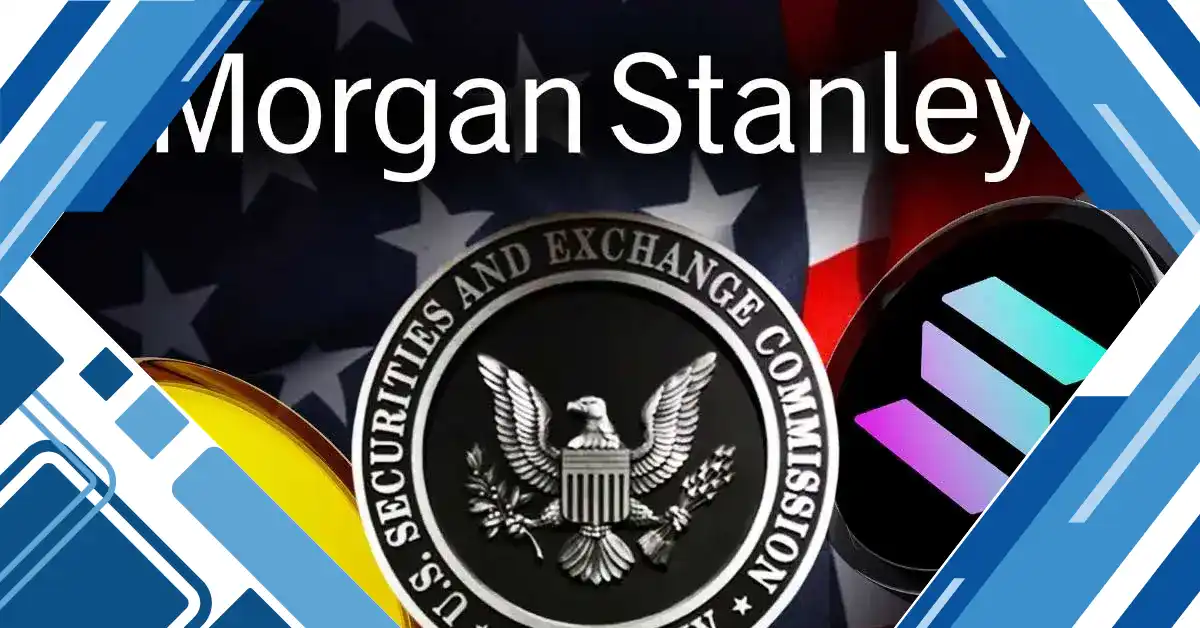
Recent developments suggest that Morgan Stanley, one of the world’s leading financial institutions, is making strategic moves into the cryptocurrency ETF landscape. The firm has officially filed S-1 registration statements with the U.S. Securities and Exchange Commission (SEC) for exchange-traded funds (ETFs) based on Bitcoin (BTC) and Solana (SOL). This move marks a significant step for traditional finance giants entering the digital asset space and potentially signals a broader institutional acceptance of cryptocurrencies as viable investment assets.
Overview of the Morgan Stanley ETF Filings
The Nature of the Filings
The S-1 filings submitted by Morgan Stanley reveal plans to launch Bitcoin and Solana Trusts, designed to track the prices of these leading cryptocurrencies. The filings indicate that these funds will aim to provide investors with direct exposure to the price movements of BTC and SOL through a fund structure that is familiar to traditional market participants.
- Bitcoin Trust will seek to generate returns by tracking the spot price of BTC, offering investors an easy way to gain exposure without holding the actual cryptocurrency.
- Solana Trust will aim to track the SOL token price, with opportunities for staking activities to enhance yields.
Key Details in the Filings
While specific details such as listing exchanges and custody arrangements remain undisclosed in the filings, several important points have emerged:
- The funds plan to offer in-kind creation and redemption processes, facilitating operational efficiency and liquidity.
- The filings do not specify the custodians responsible for holding the underlying assets, nor do they specify the exchanges where the ETFs will be listed.
Implications for Institutional and Retail Investors
Market Significance
The filing of S-1 documents for Bitcoin and Solana ETFs by Morgan Stanley underscores a critical shift in the traditional finance sector’s attitude towards cryptocurrencies. As one of the most prominent asset managers with nearly $9 trillion in assets under management, Morgan Stanley’s move to introduce ETF offerings tied to top digital assets indicates growing institutional confidence and interest.
Potential Impact on Crypto Markets
- Increased Legitimacy: Institutional backing through ETFs bolsters the legitimacy of cryptocurrencies in mainstream investment portfolios.
- Market Accessibility: ETFs simplify access to cryptocurrencies for retail investors who prefer traditional investment vehicles and seek to avoid direct wallet management.
- Price Exposure: These funds will provide new avenues for exposure, possibly influencing the price dynamics of BTC and SOL as institutional demand increases.
Background and Context
Previous Moves by Morgan Stanley
Historically conservative in its approach to crypto, Morgan Stanley has gradually increased its involvement in digital assets. Last year, the firm announced plans to facilitate crypto trading for its retail clients via its E*TRADE division, aiming to list Bitcoin, Ethereum, and Solana products once regulatory approval is secured.
Regulatory Environment and Challenges
Despite the favorable signals from filings like these, the SEC continues to scrutinize cryptocurrency-related ETF proposals, often citing concerns over market manipulation and custody security. Morgan Stanley’s filings are subject to SEC review, and approval processes may take several months or longer. Nevertheless, the very act of filing demonstrates their commitment to navigating the regulatory landscape.
Comparison with Other Crypto ETF Developments
As reported, Morgan Stanley joins an already competitive field of companies aspiring to offer crypto ETFs. Notably:
- BlackRock and Franklin Templeton have also filed ETF applications targeting Bitcoin and other cryptocurrencies.
- Current market statistics show that there are 12 spot Bitcoin ETFs globally, with total net assets nearing $124 billion, representing approximately 7% of Bitcoin’s market capitalization.
- Additionally, Solana-based ETFs have already gathered over $1.09 billion in assets since their October launch, illustrating strong investor interest.
Future Outlook
The filing of S-1 forms by Morgan Stanley could pave the way for a new wave of institutional crypto investment products. If approved by the SEC, these ETFs could significantly influence capital flows into digital assets, potentially bringing more stability and mainstream acceptance.
Moreover, the move signals that traditional asset managers are increasingly recognizing the importance of cryptocurrencies within diversified portfolios, aiming to offer easier, regulated access points to these assets.
FAQs
What is an S-1 filing?
An S-1 is a registration form filed with the SEC by companies planning to go public or offer new securities. It discloses financial information, business models, and risks, enabling regulators and investors to review the offering before approval and trading commencement.
Why is Morgan Stanley’s filing for Bitcoin and Solana ETFs significant?
This marks a notable shift for a major traditional financial institution into the crypto ETF space, signaling increased institutional interest and potential mainstream adoption of cryptocurrencies through regulated investment vehicles.
When might these ETFs become available to investors?
The approval process can vary, often taking several months. Once approved, Morgan Stanley will likely establish listing exchanges and custodial arrangements, after which investors can access these funds through their brokerage accounts.
What are the risks associated with crypto ETFs?
Risks include market volatility, regulatory uncertainties, custody and security concerns, and liquidity risks. As with all investments, potential investors should conduct thorough research.
How do these filings compare with existing cryptocurrency ETFs?
Compared to existing ETFs, Morgan Stanley’s filings represent an addition of major traditional players to the sector. Their focus on leading assets like Bitcoin and Solana aligns with current investor interest but also faces the same regulatory hurdles and market risks.
Conclusion
The recent filing of S-1 registration statements by Morgan Stanley for Bitcoin and Solana ETFs signifies a critical development in the ongoing integration of cryptocurrencies into mainstream financial markets. While the journey to approval involves regulatory review and potential hurdles, these steps underscore a growing institutional appetite for regulated crypto investment products. Should SEC approvals follow, retail and institutional investors alike could soon benefit from more accessible and regulated crypto exposure, potentially transforming the cryptocurrency investment landscape.